
You often hear that representation is important. But it doesn’t really hit you until you realize you prevented yourself from exploring something simply because no one who looked like you was doing it.
That’s how it’s been for me with Black people riding horses and partaking in rodeo culture. I always had an interest in horses—they’ve always looked majestic to me. But they felt out of reach. Horses seemed like they were for wealthy people who used them to jump over barriers, or for rural white folks who owned farmland. Where did I fit in—a Black girl from Brooklyn—on horses?


It’s the same with many other things for me, like winter sports or even hiking.
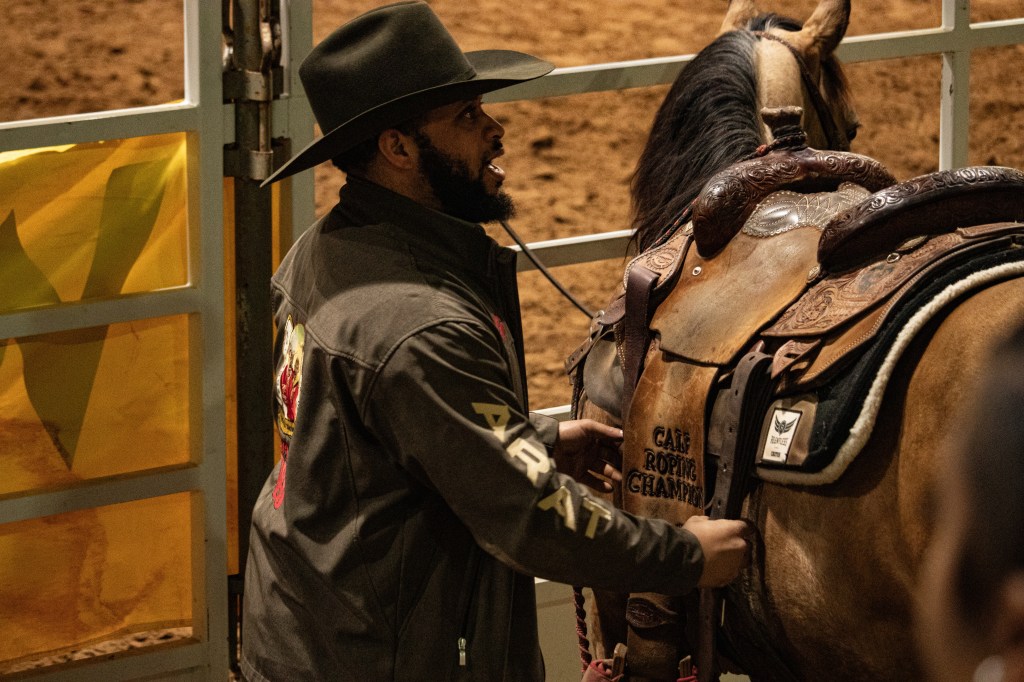
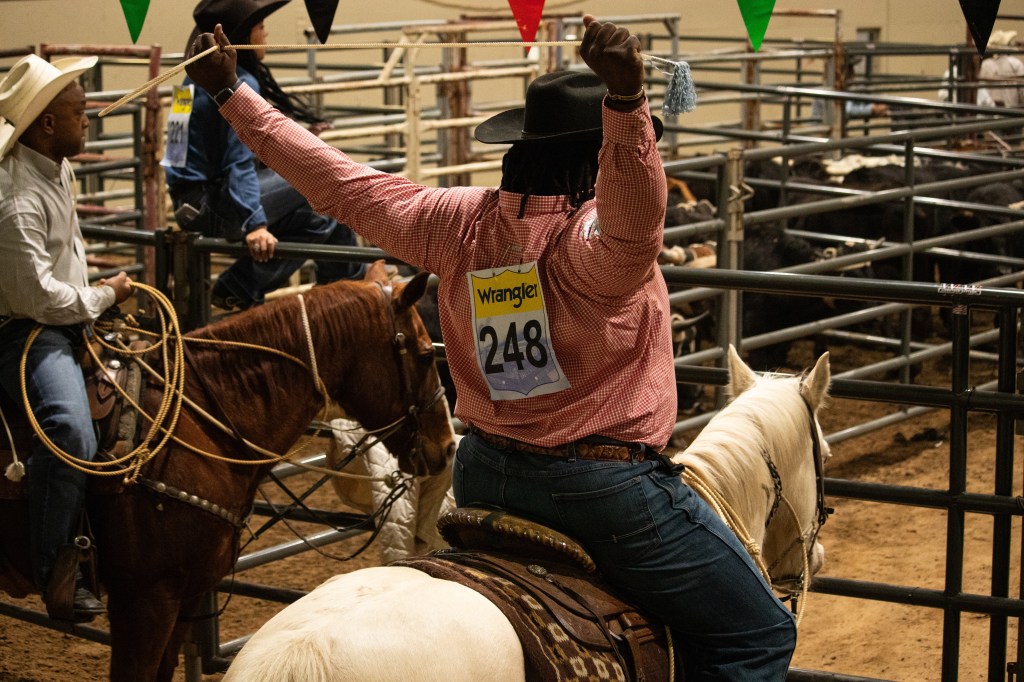
Then, I went to a Black rodeo for my 35th birthday in Tulsa, Oklahoma. It changed my life. Truly.
What made it so fun was that it was so Black and dripping in our culture in the USA. The rhythmic dancing on the horses. The line dancing in the stands. The music! There were oldies playing and modern tunes. It felt like something so familiar that had always been closed off and restricted.
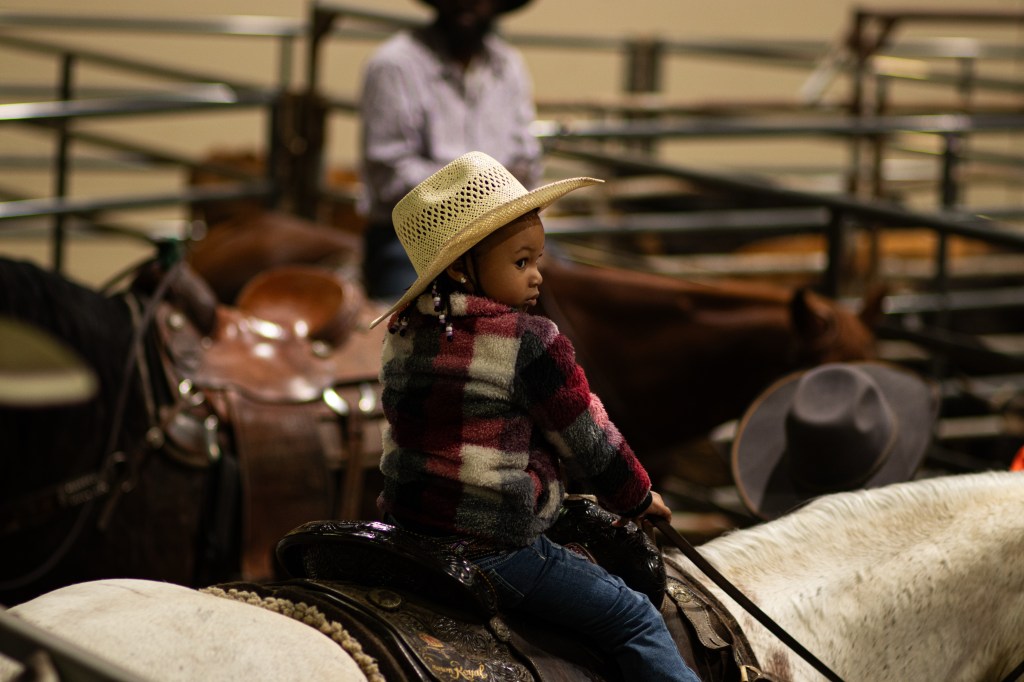
But it’s the opposite. African American cowboy culture is steeped in history—thriving and dynamic. I loved the way an article in The Guardian put it:
“But Black cowgirls and cowboys have been pretty much invisible to most. For nearly 200 years, two separate cowboy narratives, one Black and one white, have trotted side by side in the US.”
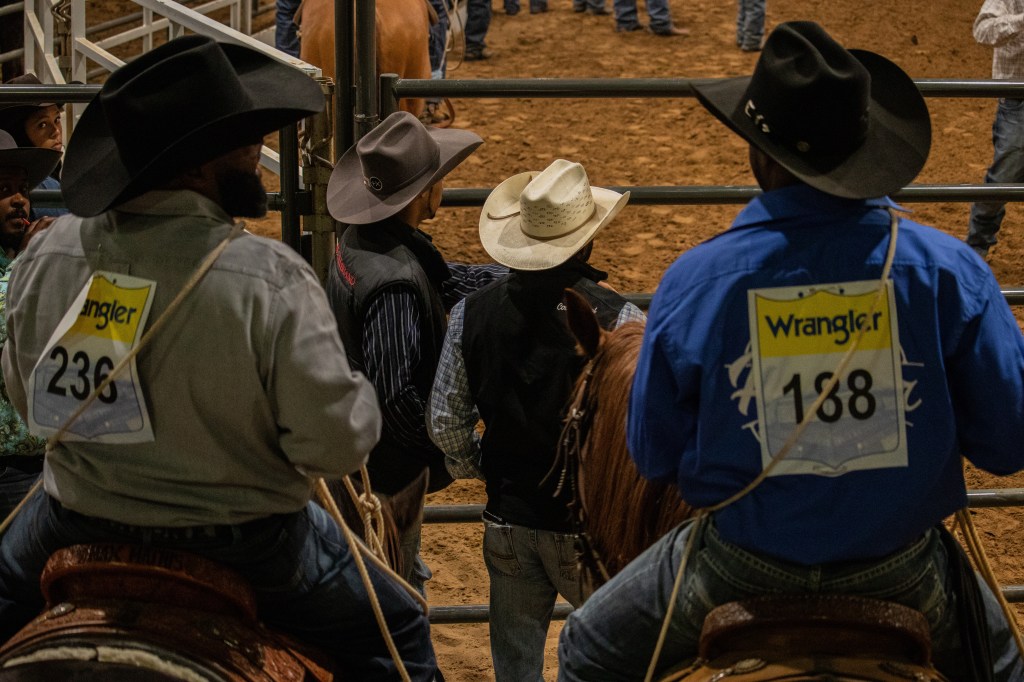
For example, right after the Civil War (1861), one in four cowboys were Black and highly skilled. They had to manage herds that needed to be driven from Texas to railheads in Kansas and Missouri to be shipped east. Black cowboys were a significant part of the American West. Though it’s impossible to fully know the numbers, estimates suggest around 25% of cowboys were Black—moving cattle on horseback, settling towns, and keeping the peace.
More shocking? Cowboy was originally a name for Black men. White Texans didn’t want to be called cowboys because it was associated with Blackness, so they referred to themselves as cowhands. The term “cowboy” only became mainstream thanks to Hollywood—it sounded better.
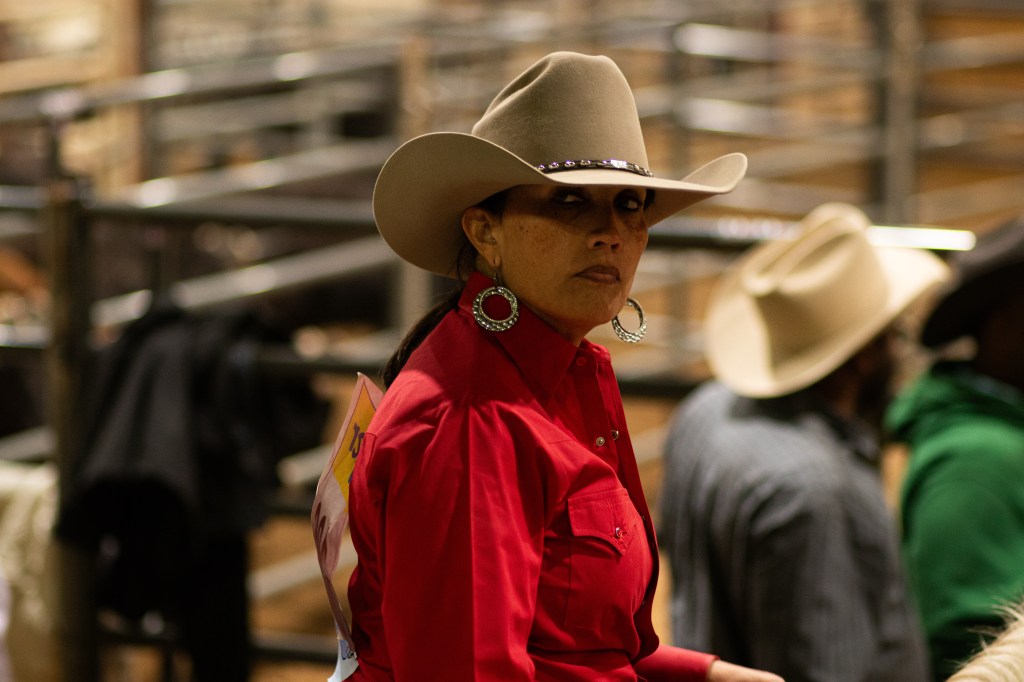
Learning about Black American cowboys has been so healing for me. The contribution of Black people to cowboy culture is misreported and suppressed. Horsing always felt very out of reach to me—something elite, inaccessible, and not meant for someone like me. But it’s a living culture, passed down through families, communities, and tradition.
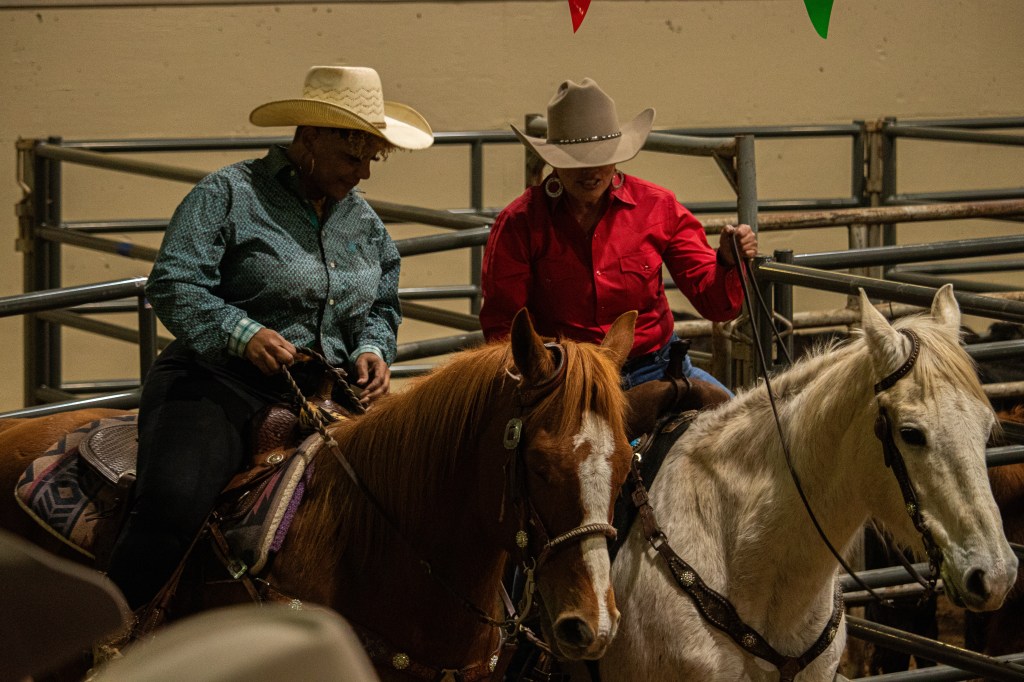
When I recall that there were nearly a million Black farmers in 1920, I imagine many of them must have been using horses to tend and take care of the land. Sadly, this is no longer the case. After the Civil War, there was a harsh backlash against Black economic and political gains. Around this time came the Tulsa Massacre, the Rosewood Massacre, and other conscious efforts to destabilize thriving Black communities—like in New Orleans, Memphis, Wilmington, Charleston, and Elaine, Arkansas.
It worked.
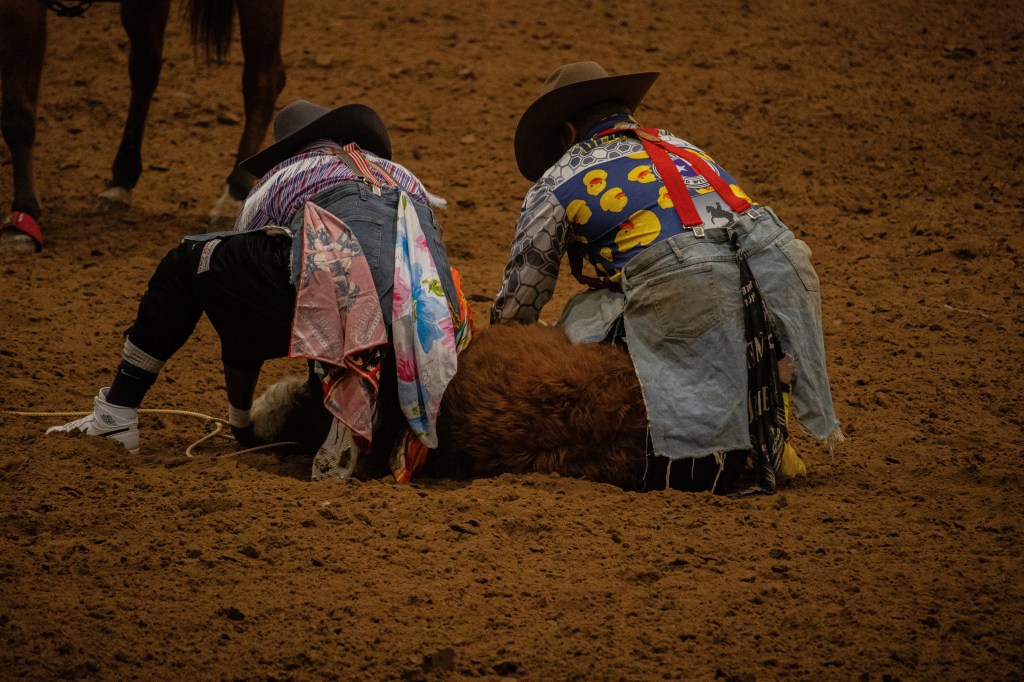
However, African Americans always keep going. The organizations and communities that have preserved Black cowboy culture are just one representation of that resilience.
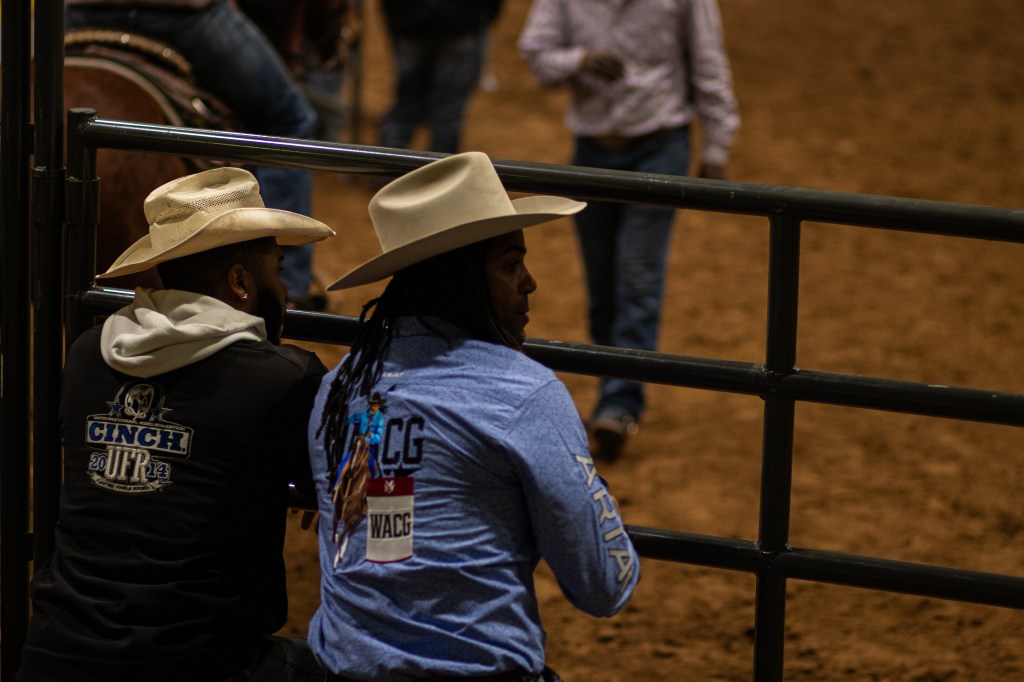
Growing up, I remember once reading an article on urban Black cowboys, but it never made sense to me. Now it does. Because The Great Migration of Black people (1910–1970) to northern cities led to the establishment of Black cowboy communities in urban areas. Cities like Philadelphia, Los Angeles, and Oakland still have communities today.
And finally—last fun fact: Bill Pickett was a Black cowboy who invented rodeo steer wrestling (also known as bulldogging). He was born in 1870!

Leave a comment