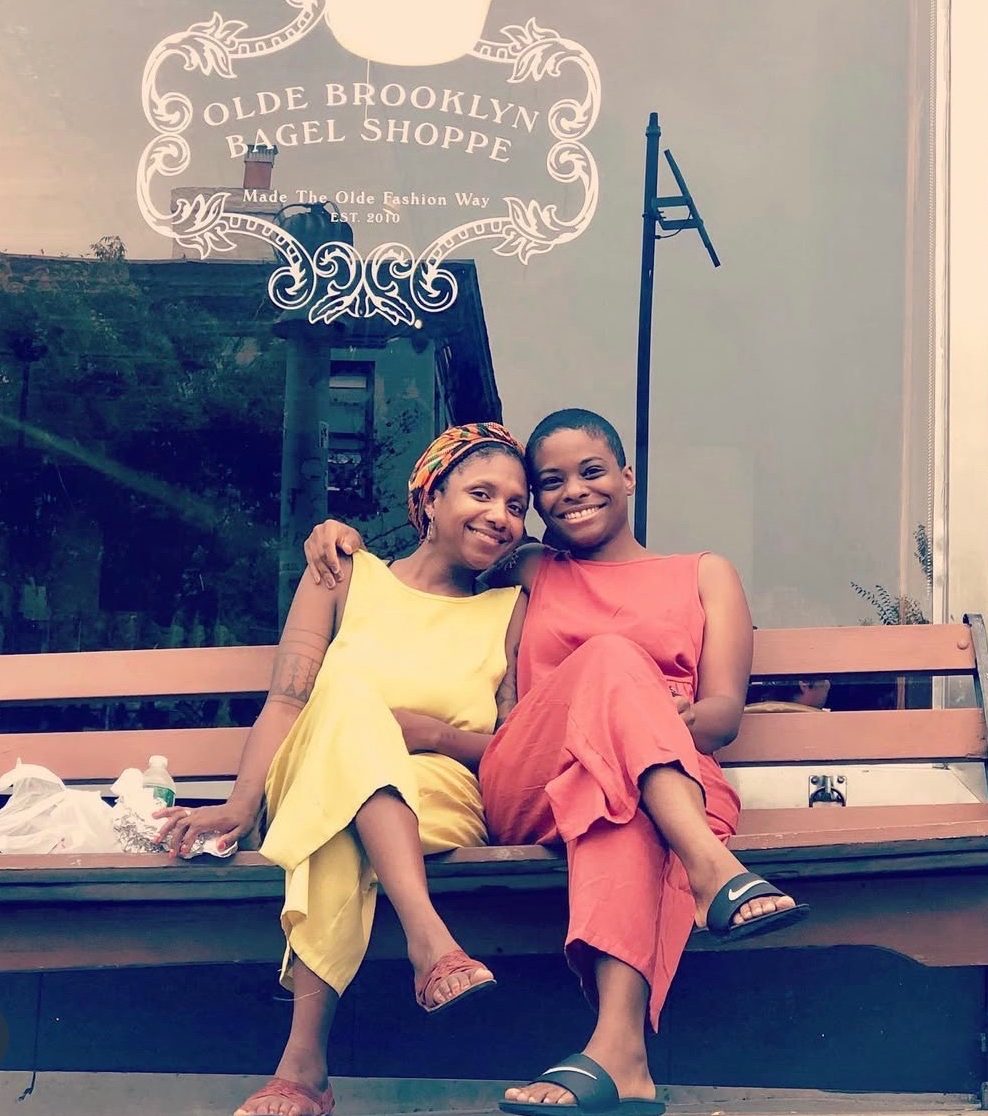
Who was your first best friend?
Maybe it was a neighborhood friend. Maybe a classmate in pre-K or kindergarten. Maybe a cousin. For some people, it’s their parents.
For me, it was my older sister, Nelda.
When I think about my relationship with her, it feels like watching old tapes of Brooklyn in the early 90s. Before the Barclays Center. Before the transplant influx. Before the overabundance of bars and cafés. Before gentrification. The Brooklyn of my childhood looked different. The colors were different. Shades of brown and pastel. Earthy tones reflecting the skin of people from the African diaspora.
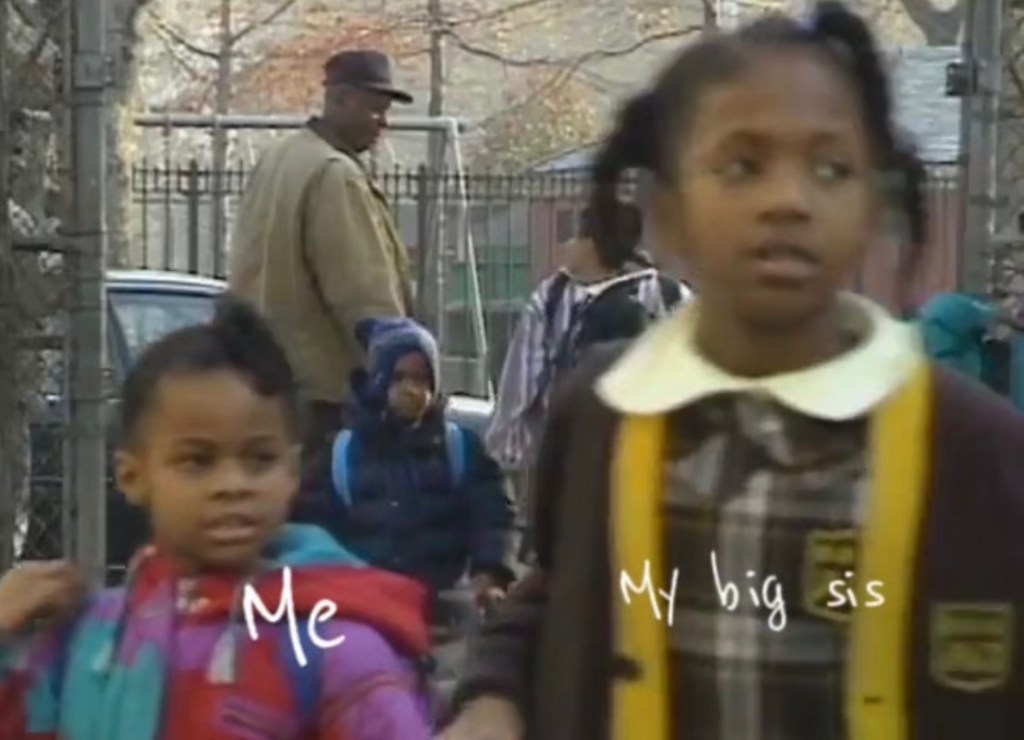
The replays of our childhood are reminiscent of the footage in this video. We appear at the 40 sec mark. The setting is Brooklyn in the early 1990s. We are entering our school, Bethlehem Baptist Academy, a private school run by a Black couple, rooted in Black pride, heritage, and education. I’m probably in kindergarten, and my sister is four years older than I am. We went to African dance classes. We pledged allegiance to the flag, but we also sang “Lift Every Voice and Sing.”
I remember one day returning from school break and proudly displaying my newly braided hair, which my aunt had done; the beads at the ends jingled as I swung my head back and forth on the playground. I remember our Rastafarian bus driver who picked us up from neighborhoods like Prospect Heights and Bed-Stuy and drove us to East Flatbush, where the school was. This was home. It was familiar. We had no idea how much things would change.
Now, walking around Prospect Heights, or much of Brooklyn, feels almost traumatizing. Foreign.
How does this relate to my sister?
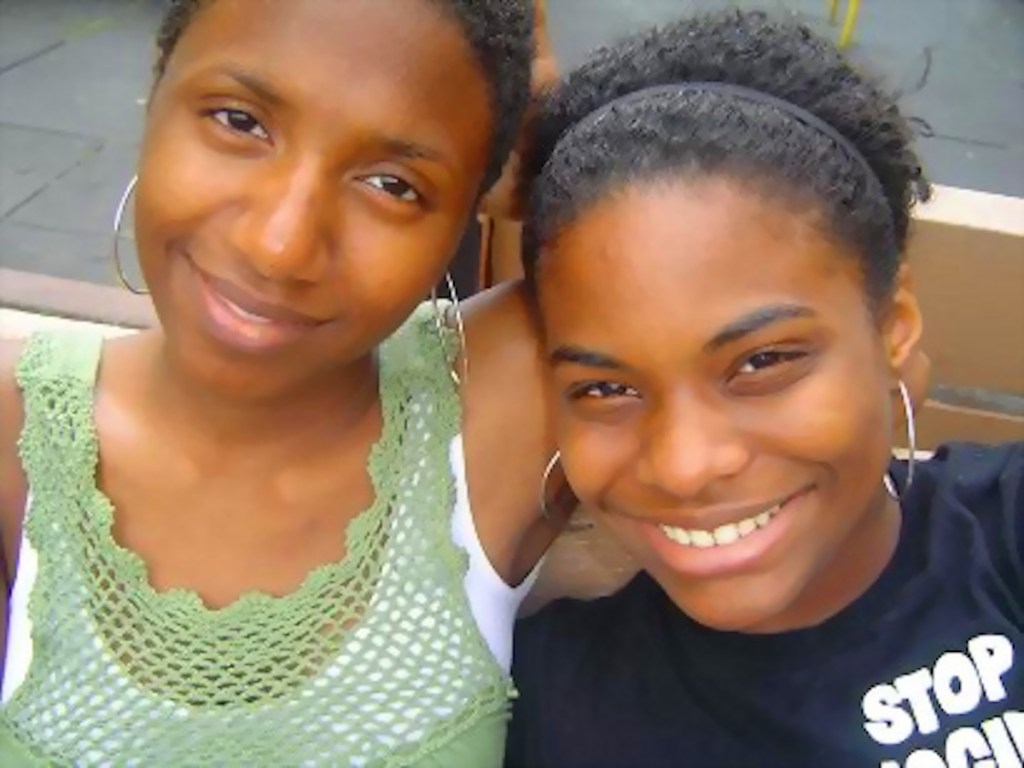
I suppose, like Brooklyn, my relationship with her is no longer what it was. Not in a bad way. Just different, shaped by time and life. She doesn’t barter with me that she’ll make the cheese fries if I clean all the dishes. She doesn’t soothe me when I wake up crying from nightmares. She’s no longer the reason we’re both awake at three in the morning, taking apart toys and electronics while our parents are dead asleep.
I no longer borrow her clothes. She no longer defends me when someone mistreats me, like the cashier who was rude to me at Bergdorf Goodman in Soho. She rushed out of her incredible internship working in a small boutique down the block. She told off the cashier for belittling me. She’s not the first person I call anymore, the way I did in my early twenties when a boy hurt my feelings, and I needed advice. That closeness shifted as life got busier.
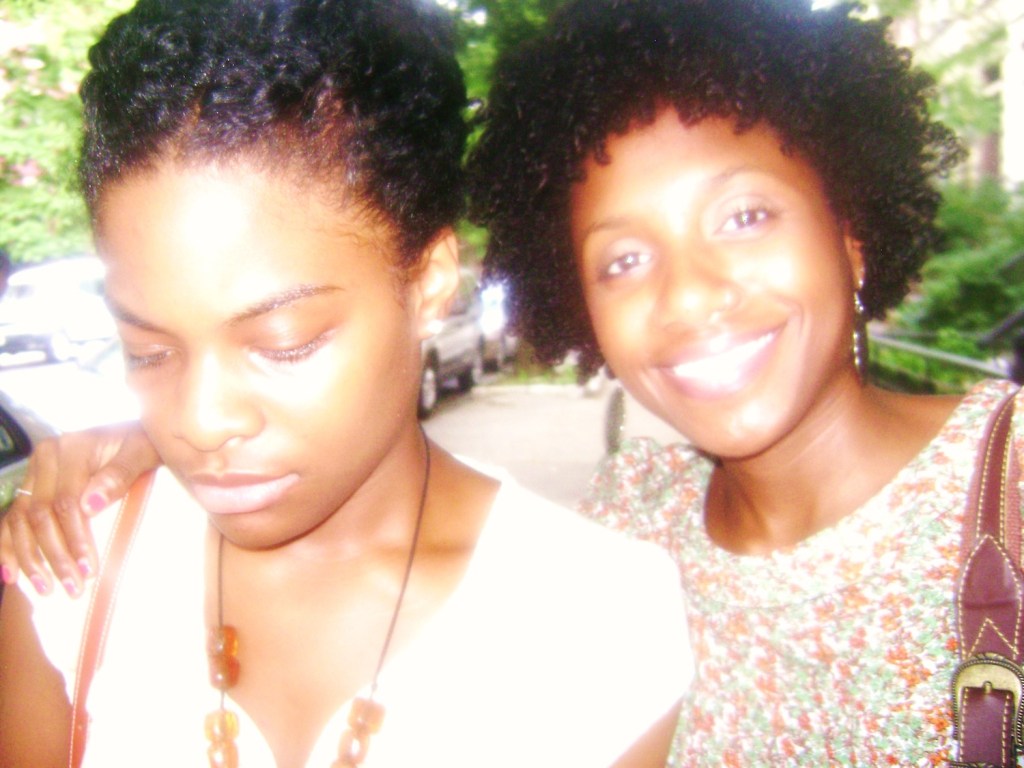
But like Brooklyn, she holds a permanent place in my life and memory. She’s a big part of why I am the way I am. She helped me release my creativity and think outside the box. She taught me what it meant to be stylish and cool. She had the newest Jordans, outfitted with her Catholic school uniforms. Or her perfectly relaxed hair, in fun styles with rubber bands and lots of gel. Then her style evolved as she did, when she cut her hair in a short pixie cut or then did her big chop before it was trendy, she was always ahead of her time.
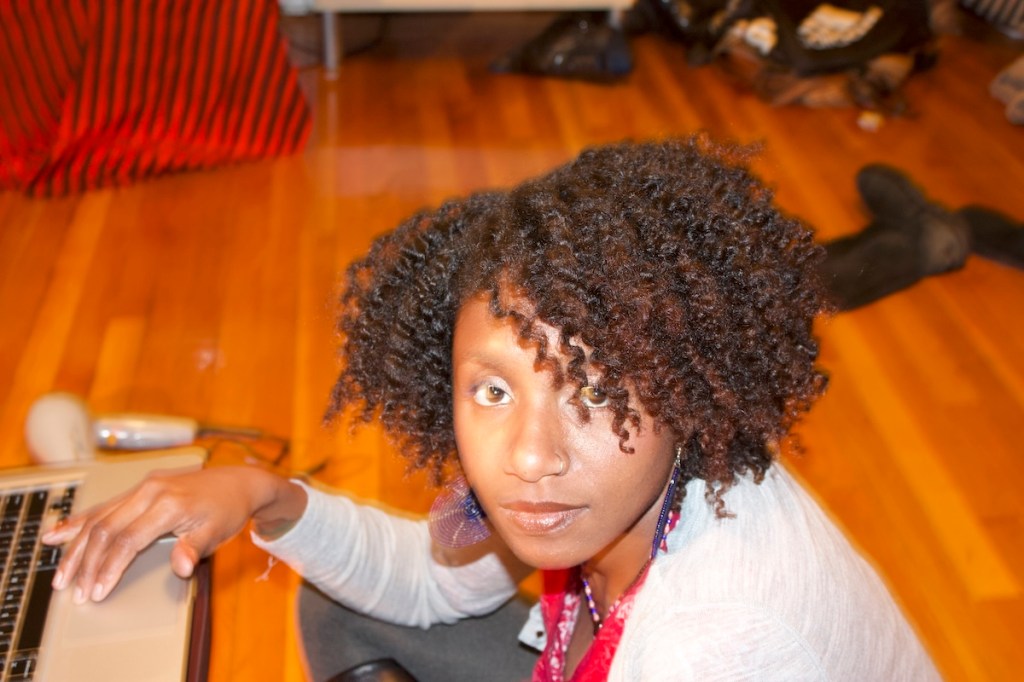
I remember yelling at my computer while scrolling through magazines like Essence and Vogue, or watching influencers, saying out loud that my sister had more style than all of them.
Just like Brooklyn was the backdrop for a certain kind of stability, security, and love, my sister was that too. Her devotion to being a big sister shaped me.
She was my biggest cheerleader, encouraging me to embrace body and beauty. I remember her putting my hair into Bantu knots for the African Street Festival or BAM. Her hands are steady. Focused. Like she knew exactly how things were supposed to look. She was always confident.
I remember our late-night bike rides through Grand Army Plaza in the summer. The streets were empty back then. Quiet. Like they belonged to us. Or going to Duane Reade to look for new products, treating it like the mall.
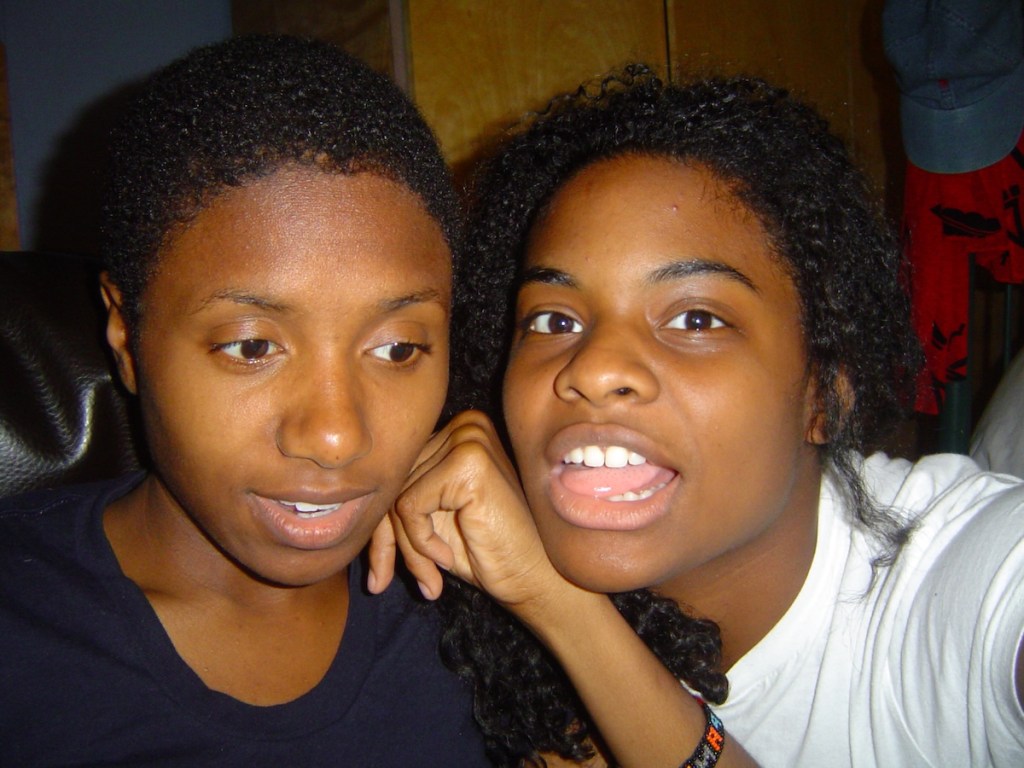
When I bought my first DSLR with my own money, the summer after working at Harlem Children’s Zone in 2009. My sister was also my muse. She has the perfect bone structure. And always willing to pose and contort her body into the random poses I asked.
Nelda is like Joan of Arc or Amelia Earhart. Bold. Brave. Always nicer than me. She was the nicer sibling, the kind one who stopped to help people. She is also a natural leader and helper. I remember one night we heard a woman cry and yell for help. Nelda ran from our brownstone into the street. A woman was attacked and had blood all over her. Nelda, in no shoes and nightclothes, stayed with the woman, getting proof of her identity until the ambulance arrived. She was telling the neighbors, peeking out the window, that they should be ashamed for not helping. I was embarrassed that I wouldn’t have helped either, if it hadn’t been to chase after her. She was, and is, a fearless and incredible postpartum nurse and soon-to-be midwife. My sister is irreplaceable.
Now I’m thirty-five. We are far from our teens and twenties. Brooklyn itself is ten or fifteen years removed from what it once was. Prospect Heights used to feel like a special nook only we knew about. A place where culture, commerce, and community thrived.
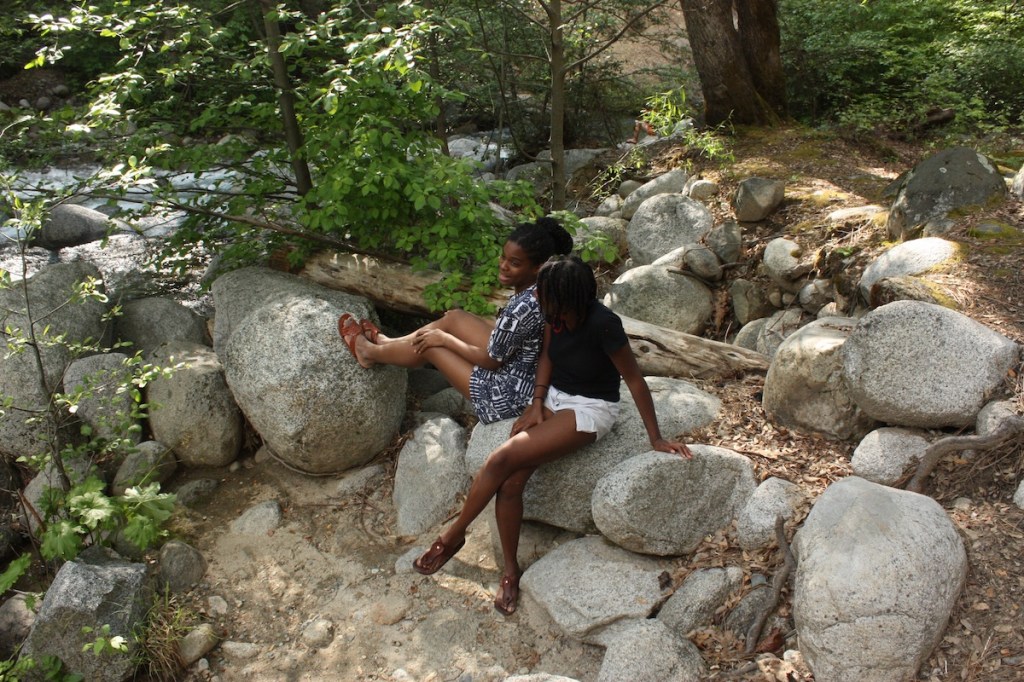
Things have changed.
I wish I could say my relationship with my sister is exactly how I imagined it would be, but it isn’t. We live on opposite coasts. For most of my late twenties and all of my thirties, I’ve lived abroad. We aren’t as close as we once were in the same way.
Our phone calls are often interrupted by tension and arguments, which we don’t always address when we should. Because we are both exhausted. Life is busy and stressful. She has three children. Sometimes it feels like I’m navigating three different personalities in my own head at once. I myself tend to self-soothe and self-isolate during a crisis. Which feels too often for us millennials.
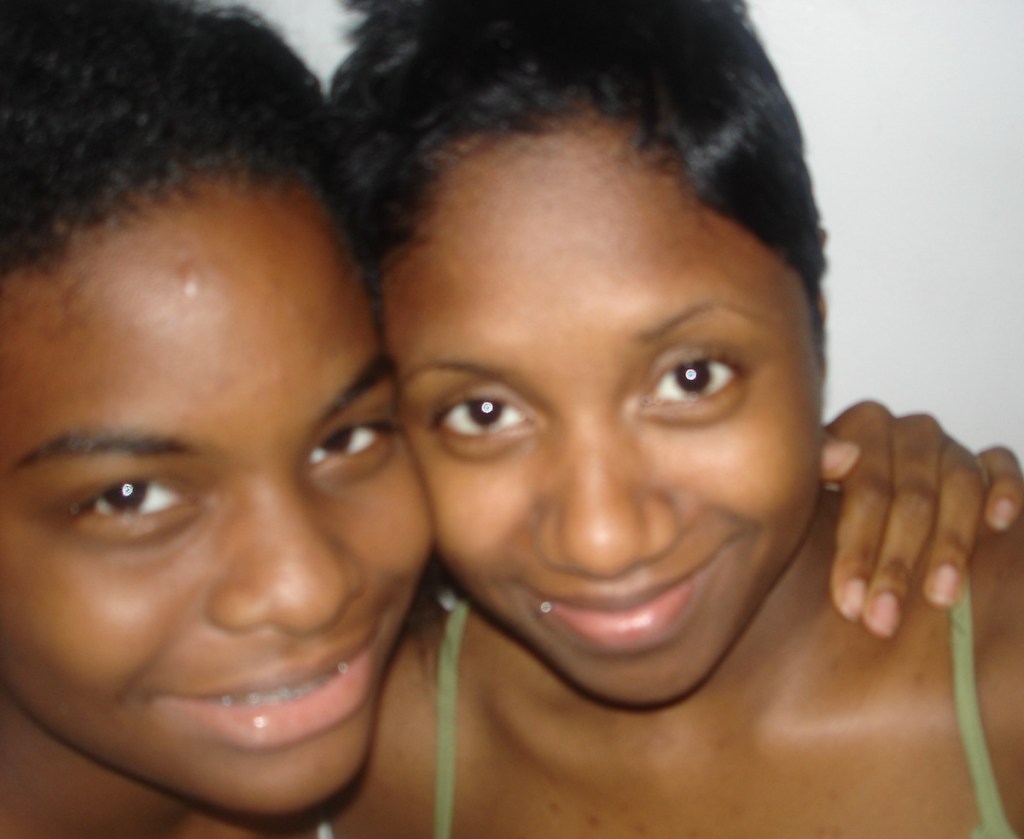
Still, there is hope. Hope that as we enter our forties, her this year and me in four, we’ll build and repair what needs tending. Hope that we can finally make that appointment to see a sibling therapist and intentionally work on our relationship. Hope that we can dismantle ourselves from the generational dysfunction we inherited.
The truth is, when we do get on the phone, it often feels like nothing has changed. The familiarity, closeness, and intimacy are still there. And like Brooklyn, when I step back into it, the blocks I’ve walked thousands of times, the corners and cracks feel embedded in me, like fingerprints. The bones are still the same. They always will be.
What I’ve learned about relationships and the world is that the only constant is change. Some of it feels unjust. Some of it feels targeted, like gentrification in Brooklyn. But Brooklyn has always changed. And I have to accept that.
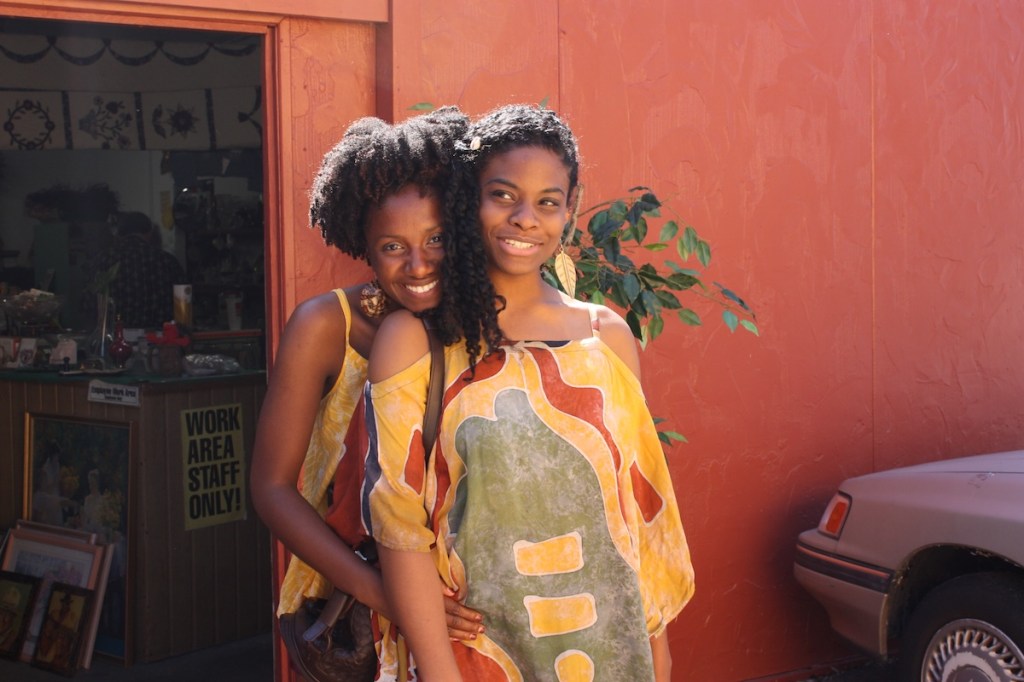
The same is true for my relationship with my sister. It will continue to shift and evolve over time. I look forward to that.
And thank you to old Brooklyn, let’s say pre-2018, for making me who I am, too.
Sometimes I like to remember it all by watching old YouTube videos of my sister and me from our days at Bethlehem Baptist Academy.

This is a long way of saying HAPPY 40th birthday to my beautiful, intelligent, incredibly creative, passionate, “rebel” big sister.
love you.always.

Leave a comment